
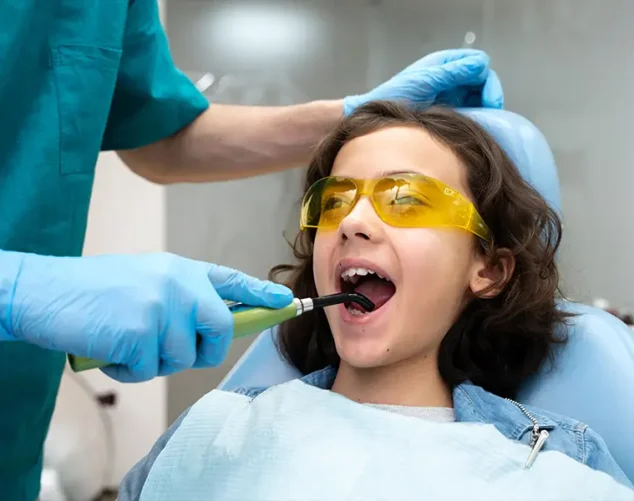
How Pediatric Emergency Dentistry Protects Your Child’s Teeth
Dental emergencies often happen without warning. A child may fall during play, chip a tooth during sports, or wake up with severe tooth pain and facial swelling. In these situations, getting professional care promptly can make a meaningful difference by helping preserve the affected tooth, relieving discomfort, and preventing additional problems.
Pediatric emergency dentistry provides urgent care for dental injuries, infections, and other oral health concerns requiring immediate attention. Because a child’s teeth and jaws are still developing, prompt evaluation is important for maintaining current oral health and future dental function.
Why Immediate Dental Care Matters After an Injury
A minor dental injury may not seem serious at first. However, damage beneath a tooth’s surface is not always visible.
Even minor damage to a tooth can have broader effects, potentially involving the inner tooth structure, adjacent tissues, or permanent teeth that are still developing. In many cases, injuries that appear minor can still affect the tooth’s internal structures, which is why a professional examination is recommended even when symptoms seem mild.
Following a dental injury, an examination helps determine:
- Whether the tooth has fractured
- If the nerve has been affected
- Whether the tooth has shifted position
- If the surrounding tissues have been injured
- Whether signs of infection are present
Taking swift action after dental trauma can help protect affected teeth and tissues and improve the likelihood of a positive outcome.
Common Pediatric Dental Emergencies
Children experience many different types of dental emergencies, some of which require immediate professional attention.
The table below outlines common situations and why they should be evaluated.
| Emergency | Why Evaluation Matters |
| Knocked-out tooth | Allows the dentist to assess damage and recommend next steps. |
| Chipped or fractured tooth | Helps prevent further structural damage. |
| Severe toothache | May indicate infection, deep decay, or nerve involvement. |
| Facial or gum swelling | Can signal a developing infection. |
| Dental abscess | Requires professional treatment to prevent complications. |
| Soft tissue injury | May involve hidden trauma to nearby teeth. |
A knocked-out tooth allows the dentist to assess the damage and recommend the next steps.
Not every dental injury produces immediate symptoms. Some concerns only become noticeable after swelling, sensitivity, or discoloration develops.
How Emergency Dentistry Helps Support Long-Term Oral Health
Emergency care involves more than addressing immediate discomfort.
Primary teeth help maintain space and guide the proper eruption of permanent teeth. Damage to baby teeth can sometimes influence the alignment, spacing, or health of the teeth that follow.
During an emergency visit, a dentist may perform a visual examination, assess tooth stability, review symptoms, and obtain diagnostic images when necessary. The information gathered during this process helps determine the most appropriate course of care.
Identifying problems early often prevents minor concerns from progressing into more complex conditions.
When Tooth Pain Requires Urgent Attention
Not every toothache requires emergency care. However, some symptoms should be evaluated promptly.
Parents should contact a dental office if a child experiences:
- Severe or persistent tooth pain
- Facial swelling
- Fever accompanied by oral discomfort
- Pain while chewing
- Sensitivity that continues to worsen
- Bleeding that does not stop
These symptoms may indicate infection, advanced decay, trauma, or other conditions that require professional attention.
Restoring and Preserving Injured Teeth
Dental injuries do not always result in visible damage. In some cases, a tooth may appear intact while underlying structures have been compromised.
Care for a dental injury can vary based on its severity, with treatment options ranging from fillings and pulp therapy to protective restorations that help preserve normal tooth function.
When a tooth has lost significant structure, options such as Dental Crowns in Redding, CA, may be recommended to provide additional strength and support.
Recommendations are based on the child’s age, growth stage, and the overall condition of the affected tooth.
Why Specialized Pediatric Emergency Care Matters
Children often react differently to pain, fear, and unfamiliar situations than adults. Pediatric dentists undergo advanced education that emphasizes child development, behavior guidance techniques, and dental care tailored to young patients.
Emergency visits involve more than addressing the injury itself. Dentists must also consider the child’s comfort, emotional well-being, and ability to cooperate during care.
This specialized approach can ease anxiety and create a more positive experience in stressful situations.
Families often feel more confident when emergency care is provided by a team experienced in treating children. Those looking for a trusted pediatric dentist in Yuba City, CA, should consider a practice that routinely manages urgent dental needs in young patients.
What Parents Should Do Before Reaching the Dental Office
The care provided immediately after an injury can help guide treatment planning and support a smoother recovery.
Parents should:
- Stay calm and reassure the child
- Apply clean gauze if bleeding is present
- Use a cold compress to reduce swelling
- Save broken tooth fragments when possible
- Avoid placing medications directly on oral tissues
- Contact the dental office for guidance
Calling the dental office promptly allows parents to receive instructions tailored to the specific situation.
Preventing Future Dental Emergencies
Not every emergency can be avoided, but certain habits can reduce risk.
Wearing properly fitted mouthguards during sports, treating cavities before they worsen, maintaining regular dental visits, and encouraging safe play habits can all contribute to a healthier smile.
Routine examinations often identify cavities, bite concerns, and other issues before symptoms develop. Addressing these problems early can reduce the likelihood of unexpected dental emergencies.
Parents searching online for kids’ dentistry near me should look for practices that emphasize prevention alongside emergency care.
Protecting Your Child’s Smile When Every Minute Counts
When a dental emergency occurs, taking action quickly can influence the outcome.
At Feather River Kids Dentistry, emergency evaluations focus on identifying injuries, relieving discomfort, and preserving healthy oral function. A thorough examination provides the information needed to address injuries effectively and determine the most appropriate next steps.
Whether a child experiences sudden tooth pain, swelling, or dental trauma, professional care can help maintain healthy teeth and support long-term oral well-being.
Frequently Asked Questions
Knocked-out teeth, severe tooth pain, dental abscesses, facial swelling, uncontrolled bleeding, and traumatic dental injuries are among the most common pediatric dental emergencies.
Yes. Even minor fractures can affect the tooth structure, nerve tissue, or nearby developing permanent teeth.
Yes. An untreated dental infection can progress over time, affecting nearby tissues and potentially requiring urgent professional attention.
Contact a dental office as soon as possible for guidance and schedule an evaluation to assess the injury.
A dental evaluation should be scheduled as soon as possible because prompt care often improves outcomes and reduces the likelihood of additional problems.